
This Kitchen Safety Checklist for Holidays helps you cook with calm. During holiday meals, kitchens get crowded fast. So, safety can slip.
As you chop, sauté, and bake, focus on ventilation, clear work zones, and smart upgrades. That way, you host with confidence and comfort.
Importance of Kitchen Ventilation
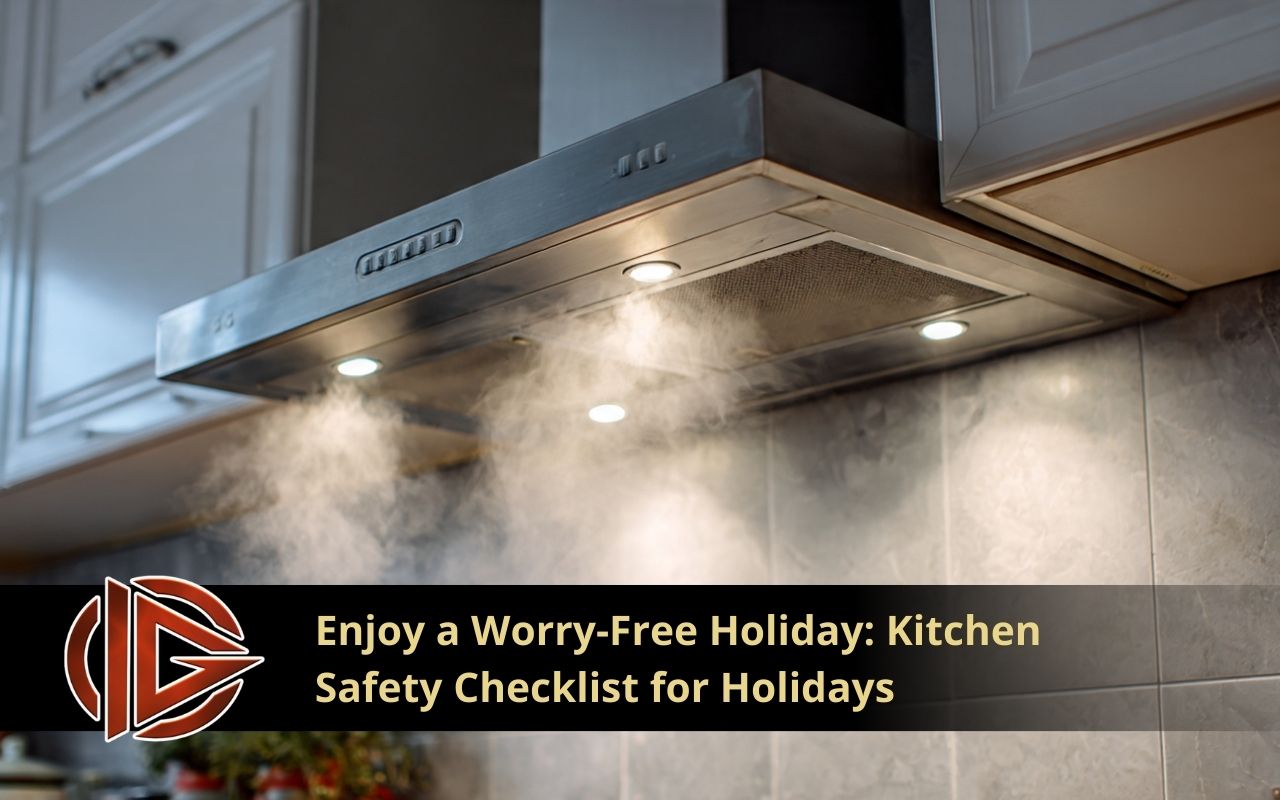
In your Kitchen Safety Checklist for Holidays, start with airflow. When roasts and sauces simmer, steam and smoke rise quickly. Therefore, use a vent hood, exhaust fan, or open window. Good ventilation lowers heat, odors, and moisture. It also helps you cook longer without feeling drained.
- Confirm air can move in and out freely.
- Run the range hood before you start cooking.
- Clean or replace hood filters before big meals.
- Reduce grease buildup to lower fire risk.
If your kitchen stays muggy, consider ducted upgrades through kitchen remodeling in California. This change can protect walls and cabinets from moisture, too.
Ensuring Healthy Air Quality
Add a carbon monoxide detector and, if needed, an air purifier. Gas cooking can release harmful gases over time. Also, swap worn filters before guests arrive. A few air-cleaning plants can help, as well. Together, these steps keep the kitchen comfortable for everyone during long gatherings.
Organizing Work Zones for Efficiency
Next, improve flow with work zones. A Kitchen Safety Checklist for Holidays works best when tasks stay separated. Set a prep area near the sink, a cooking zone by the stove, and a plating space away from heat. As a result, helpers move smoothly without crossing paths.
- Create stations for prep, cooking, and serving.
- Keep counters clear where knives and hot pans move.
- Store tools close to the zone where they’re used.
- Reduce reaching across burners and sharp edges.
If your layout feels tight, review how to remodel a kitchen to plan safer spacing and better workflow.
Setting Up Safe Cooking Stations
Turn pot handles inward, so nothing gets bumped. Keep oven mitts close, yet away from flames. Also, remove towels, paper, and plastic from the stove area. Place spatulas and tongs in a holder beside the range. If you use many burners, mark hot zones to guide helpers.
Fire Safety Precautions
A Kitchen Safety Checklist for Holidays must include fire readiness. Grease fires spread fast, especially while frying or broiling. Keep a kitchen-rated extinguisher accessible, near an exit. Also, never leave active cooking unattended. By clearing flammables and cords, you lower the chance of sudden flare-ups.
- Keep a Class K extinguisher within reach.
- Learn: pull, aim low, squeeze, and sweep.
- Move dish towels, gift wrap, and paper off counters.
- Turn heat off if you must step away.
Proper Handling and Storage of Utensils
Store knives in a block or on a magnetic strip, not loose in drawers. Sort tools by type to reduce confusion. Sanitize boards after each use, and separate boards for meat and produce. Dry utensils fully before storing. This prevents rust and keeps tools ready for fast-paced cooking.
Cleaning and Maintenance Protocols
Before guests arrive, wipe counters, handles, and appliance buttons. Then, deep clean the oven, microwave, and vent hood a week ahead. Built-up grease can ignite and block airflow. Also, clear sink drains and the disposal to prevent clogs. With steady upkeep, your kitchen stays smooth under pressure.
Childproofing Your Kitchen
Use cabinet latches for chemicals and sharp tools. Add stove knob covers to prevent accidental turns. Install corner guards on sharp edges, too. Keep breakable decor out of reach. If needed, place a safety gate at the entrance. This reduces risky access while you cook and host.
Emergency Preparedness Plan
Post emergency numbers on the fridge, including poison control. Add your address in bold, so guests can help if needed. Plan two exit routes and walk everyone through them. Keep flashlights and a first-aid kit in a central spot. Practicing once builds calm and clear reactions.
Frequently Asked Questions
What ventilation steps matter most during holiday cooking?
Run the range hood early, clean filters, and open a window when safe. This reduces heat, moisture, and fumes.
How do I set up work zones when my kitchen is small?
Use clear stations: sink for prep, stove for cooking, and a separate table for plating. Even small boundaries help.
What should I keep near the stove for safer cooking?
Keep mitts, a utensil holder, and a lid for quick smothering nearby. Keep towels and paper away from heat.
Which extinguisher is best for kitchen grease fires?
A kitchen-rated extinguisher is designed for cooking oils and fats. Store it where you can grab it while exiting.
How can flooring help prevent slips during busy meals?
Choose surfaces with good grip and easy cleanup. For ideas, review best flooring for kitchens.
Enjoying a Safe and Stress-Free Festive Season
With a Kitchen Safety Checklist for Holidays, you can focus on food and family. Strong ventilation, clear work zones, and fire basics prevent most surprises. Also, planning ahead keeps stress low.
If you want a safer layout or better airflow, use this Kitchen Safety Checklist for Holidays as your guide. Then, reach out through contact our team to discuss practical upgrades for your space.


